In today’s real estate market, savvy homeowners are looking for more than just curb appeal and square footage. Rising energy costs and a growing awareness of environmental impact have made energy efficiency a top priority for buyers. Investing in green upgrades isn’t just about saving money on your monthly utility bills; it’s a strategic move to significantly boost your home’s market value. This guide will walk you through the most impactful energy-efficient upgrades that offer the best return on investment (ROI), turning your home into a more comfortable, sustainable, and valuable asset.
Why Energy Efficiency Matters in Real Estate
Before diving into specific upgrades, it’s essential to understand why “green” features have become so valuable. An energy-efficient home offers a compelling narrative to potential buyers. It speaks of lower ownership costs, enhanced comfort through better temperature regulation, and a forward-thinking approach to home maintenance. Studies have consistently shown that homes with certified energy-efficient features not only sell faster but also command higher prices than their non-efficient counterparts. This “green premium” is a tangible return on your investment that pays dividends when it’s time to sell.
High-Impact Upgrades for Every Budget
The best part about improving energy efficiency is that it can be tackled at any budget. Whether you’re looking for simple weekend projects or planning a major renovation, there are steps you can take to make a significant difference.
The Foundation of Efficiency: Sealing and Insulation
Before you even think about expensive new systems, your first priority should be creating a robust thermal envelope. This means preventing the air you’ve paid to heat or cool from escaping your home. Air leaks, commonly found around windows, doors, electrical outlets, and attic hatches, can account for a significant portion of your energy loss.
Start by conducting a simple home energy audit. On a windy day, carefully check for drafts. You can use a candle or incense stick to see where the smoke is disturbed. Seal these gaps with caulk for smaller cracks and weatherstripping for moving components like doors and windows. This is an incredibly low-cost project that can yield immediate savings.
Once your home is sealed, the next step is insulation. A well-insulated home is the cornerstone of energy efficiency, keeping it warmer in the winter and cooler in the summer. Check the insulation levels in your attic, crawl spaces, and walls. Many older homes are under-insulated by modern standards. Adding blown-in cellulose or fiberglass insulation to an attic is one of the most cost-effective upgrades you can make. For homeowners seeking a top-tier solution, it’s beneficial to understand how does spray foam insulation work, as it expands to fill every nook and cranny, creating an unparalleled air and moisture barrier.
Smart Windows and Doors
Your windows and doors are major potential sources of energy loss. If you have old, single-pane windows, upgrading to double- or triple-pane ENERGY STAR-rated models can drastically reduce heat transfer. These modern windows often have a low-emissivity (Low-E) coating that reflects infrared light, keeping heat outside in the summer and inside in the winter. While a full window replacement can be a significant investment, the improvement in comfort and energy savings, not to mention the boost in curb appeal, often provides a strong ROI. If new windows aren’t in the budget, consider adding insulating window films or heavy drapes to improve the performance of your existing ones.
Modernizing Your HVAC System
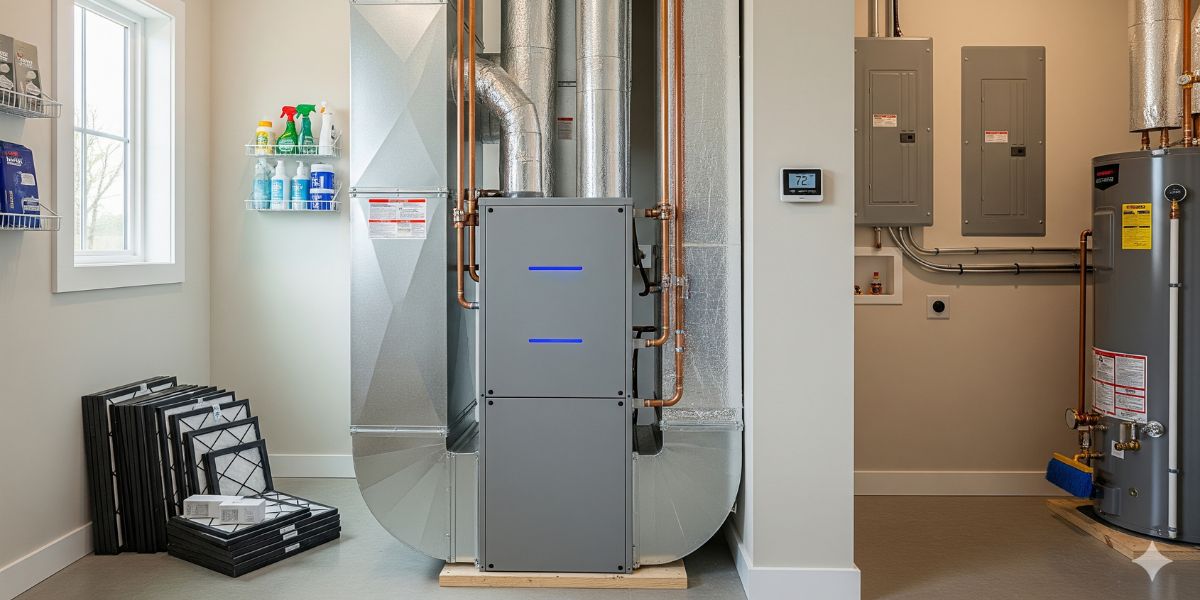
Your heating, ventilation, and air conditioning (HVAC) system is likely the single largest consumer of energy in your home. An old, inefficient unit works harder, uses more energy, and provides less comfort. Upgrading to a modern, high-efficiency system can reduce your heating and cooling costs by up to 30%. When choosing a new system, look for the Seasonal Energy Efficiency Ratio (SEER) for air conditioners and the Annual Fuel Utilization Efficiency (AFUE) for furnaces. The higher the number, the more efficient the unit. The U.S. Department of Energy provides a comprehensive guide to help you select the right system for your climate and home size.
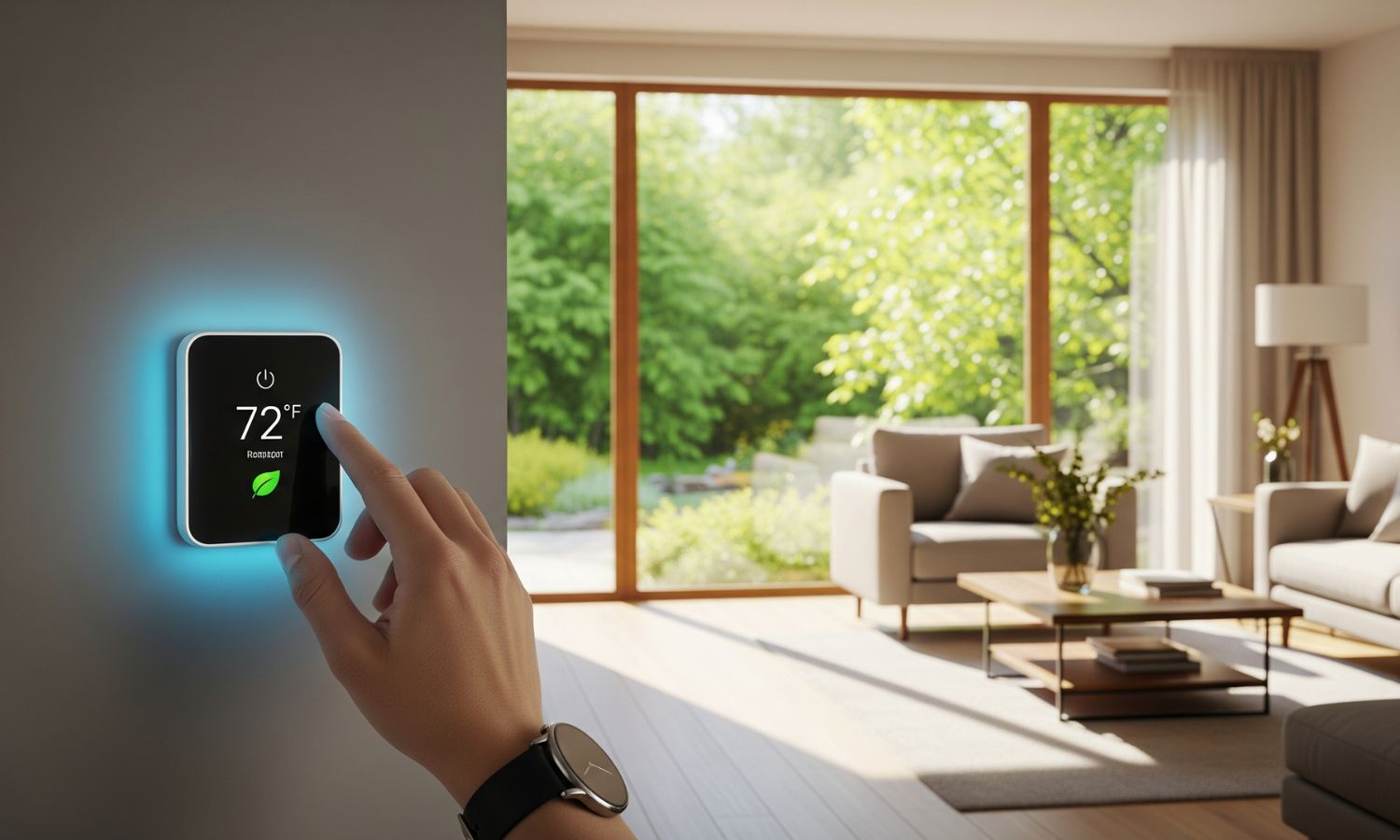
Pairing your HVAC system with a smart thermostat is a game-changer. These devices learn your schedule and preferences, automatically adjusting the temperature to save energy when you’re away or asleep. They can be controlled remotely from your smartphone, giving you complete command over your home’s climate and energy usage.
Financing Your Green Renovations
The upfront cost of some of these larger projects, like new windows or an HVAC system, can seem daunting. However, there are numerous financing options available to homeowners. From home equity lines of credit (HELOCs) to government-backed green energy loans, there are many ways to fund these improvements. It’s always a good idea to research the available resources to learn how to finance home renovations, as there may be programs specifically designed to support energy-efficient upgrades.
Small Changes, Big Impact
Not every upgrade needs to be a massive undertaking. In fact, some of the most effective strategies are simple and affordable. Focusing on these high-impact projects is a core principle for anyone interested in flipping homes, where maximizing ROI through smart, desirable upgrades is the key to success. Sometimes it’s the 4 little renovations that matter most when attracting buyers. Switching all your lightbulbs to energy-efficient LEDs, for example, uses at least 75% less energy and lasts 25 times longer than incandescent lighting. Upgrading older appliances like refrigerators, dishwashers, and washing machines to ENERGY STAR-certified models can also lead to substantial long-term savings.
Your Investment in a Better Home
Investing in your home’s energy efficiency is a clear win-win. You create a more comfortable and affordable living space for today while building significant equity for tomorrow. These upgrades are not just expenses; they are powerful investments that appeal directly to the priorities of modern homebuyers. By strategically choosing projects that provide the best ROI, you can transform your property into a highly desirable, future-ready home.